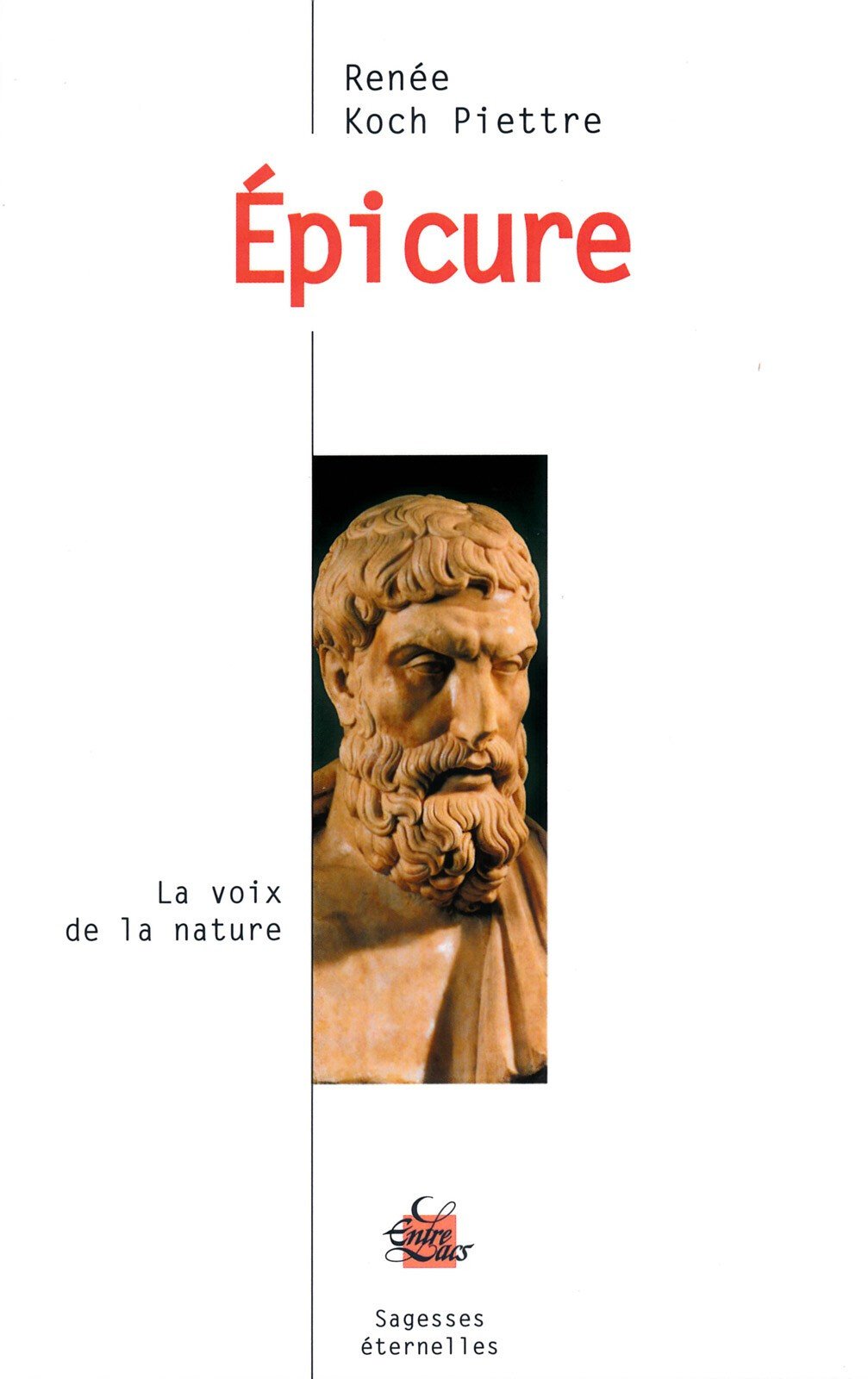
It is impossible to live a happy life without living a considered, honest and fair life, nor to live a considered, honest and fair life without living a happy life.” Epicurus has for a long time been presented as a minor philosopher. Nevertheless, his school remained active in a number of countries, including Gaul where it operated for 500 years. This small book, written by a renowned Hellenist, introduces us to the wisdom of Epicurus, stripping it of received ideas. For this philosopher, to gain wisdom is to gain the happiness of the gods, which is within the reach of all people. Happiness is first acquired through the bonds of friendship that we forge. The disciples of Epicurus shared in his daily life and participated in the development of his doctrine; his school was a living community, open to women, slaves and foreigners without prejudice or distinction. Knowledge of nature’s laws is part of what makes up a happy life: for Epicurus, nothing is borne out of nothing, everything that there is relies on the existence of an infinite void and an infinite number of atoms. Ultimately, he proposes a code of ethics based on pleasure free of concern and fear, pleasure conceived as the absence of pain and loss, which is incumbent upon a considered, honest and fair attitude. This presentation of the doctrine of Epicurus is completed by a selection of texts: the Vatican Sayings, with accompanying commentary by Renée Koch Piettre, the letter to Menoeceus on happiness, the letter to Herodotus on the laws of the universe, extracts of his letters to friends and family.

 FR
FR